Food quality is one of the top reasons tenants stay or leave. Learn how to design balanced weekly menus, control grocery kitchen costs, and maintain high hygiene standards.
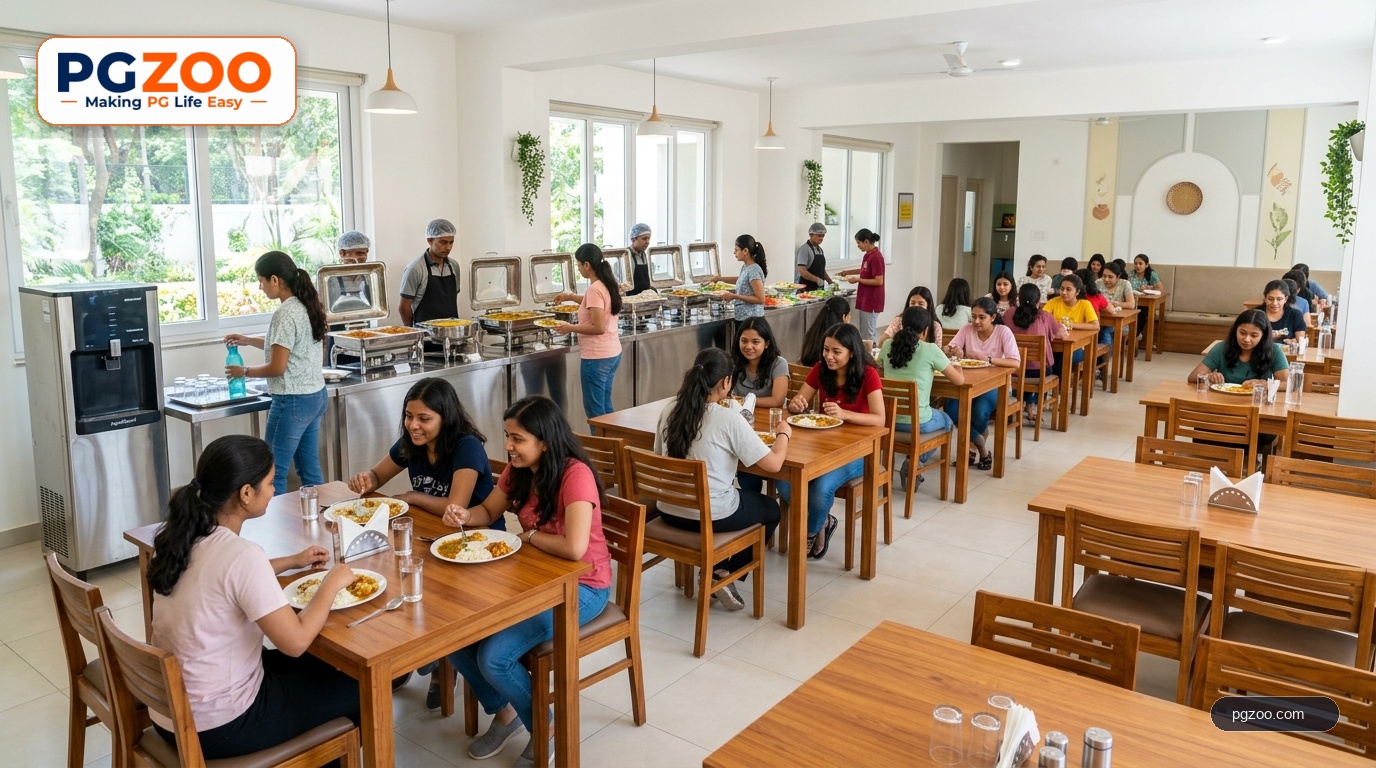
In paying guest accommodations and hostels that include meals, food quality is consistently the number one topic discussed by residents. While students and working professionals may overlook minor room imperfections, poor or monotonous food frequently drives them to move out within 2 to 3 months.
Managing an efficient mess requires balancing three factors: nutritious variety, strict kitchen cleanliness, and smart grocery purchasing.
Monotony is the most frequent tenant complaint. A well-planned 7-day menu avoids repetitive meals: - Breakfast: Rotate quick, wholesome staples such as poha, idli-sambar, parathas, upma, and boiled eggs or toast alongside fresh tea/coffee. - Lunch: Packed lunch options for office-goers (chapatis, dal, seasonal sabzi, rice) and fresh meals for students. - Dinner: Wholesome, comforting dinners with balanced curries, fresh rotis, rice, and salads. - Special Weekend Meals: Serving a special dish (such as paneer, biryani, or dessert) on weekends creates genuine community goodwill.
Kitchen expenses can easily spiral if inventory is poorly monitored: - Bulk Purchasing for Non-Perishables: Buy rice, wheat flour (atta), pulses (dal), cooking oil, and spices in monthly wholesale quantities from local mandis to secure lower prices. - Fresh Perishables Every 2-3 Days: Purchase vegetables, dairy (milk, curd, paneer), and bread in small, frequent batches to prevent spoilage and ensure freshness. - Portion & Waste Awareness: Track daily headcounts so cooks prepare the right quantity rather than discarding excess food every evening.
Cleanliness in the cooking area is vital for resident health and preventing foodborne illnesses: - Regular RO Maintenance: Inspect and service drinking water purifiers and replace filter candles on schedule. - Clean Cooking Surfaces: Require kitchen staff to wipe countertops, wash cooking utensils in hot water, and dispose of organic waste daily. - Covered Food Storage: Keep cooked meals in covered stainless steel containers in clean, insect-free storage areas.
Ensure cooks and kitchen helpers have defined schedules: - Set fixed, punctual meal timings (e.g., Breakfast 7:30 - 9:30 AM, Dinner 8:00 - 10:00 PM) so residents can rely on their routines. - Maintain staff hygiene standards: clean aprons, trimmed nails, and covered hair during food preparation. - Assign dedicated responsibilities for dining table cleaning and dish sanitization after every meal session.
Rather than letting minor complaints build into frustration, establish an informal monthly food feedback channel: - Discuss what dishes residents enjoy and which ones need recipe adjustment. - Accommodate reasonable regional preferences when catering to diverse tenant backgrounds. - Transparent communication shows residents that their well-being is valued.