Before paying a token or security deposit for a PG room, inspect mobile connectivity, water pressure, food quality, and notice terms to avoid unexpected surprises.
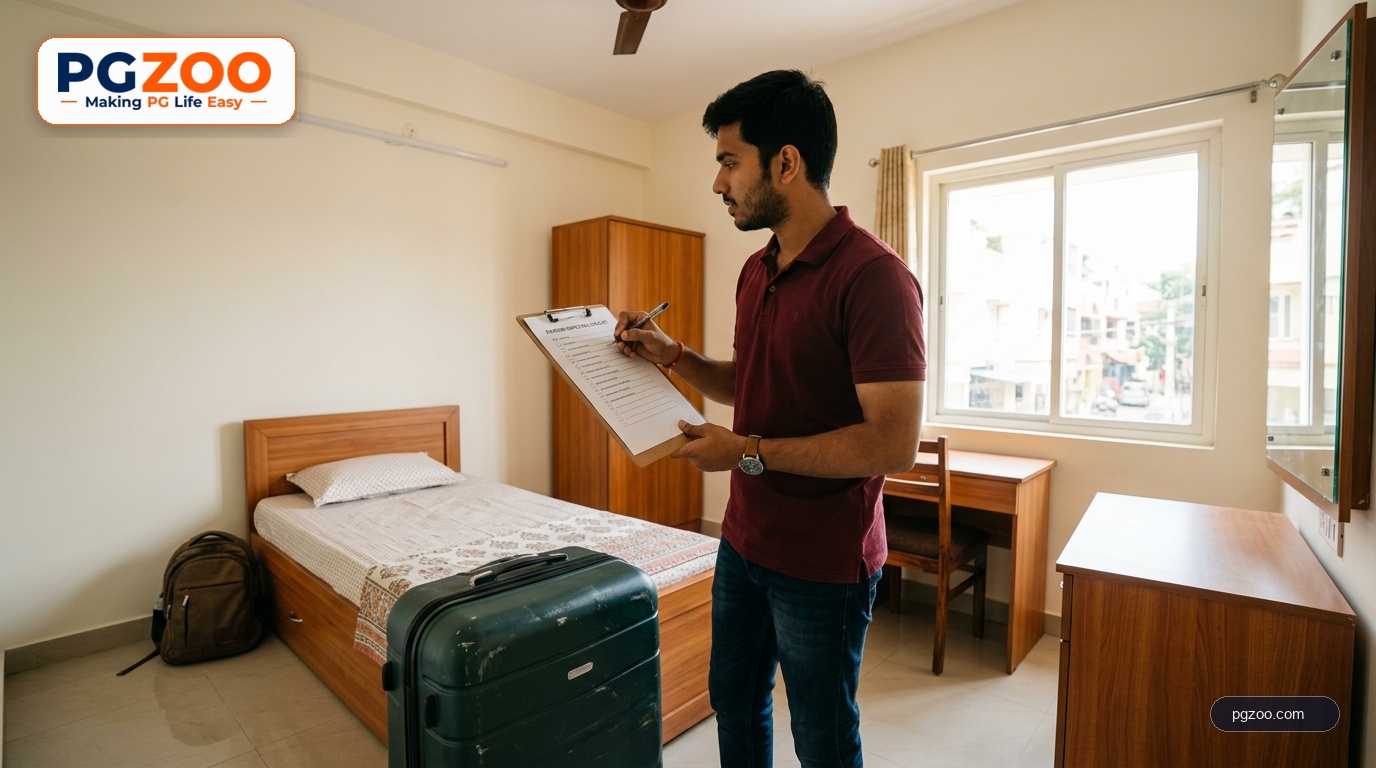
Moving to a new city for work or university is a major transition. Rushing to pay a deposit based solely on online photos can lead to living in a room with poor mobile network, inconsistent water, or restrictive house rules.
Spending 20 minutes inspecting the property in person helps you make an informed decision and avoid moving hassles later. Here are the essential checks to perform before transferring any advance funds:
Do not test your phone in the reception lobby or outer veranda. Step inside the actual room you will be staying in, close the door, and check: - Voice call connectivity and cellular data strength (essential for two-factor bank OTPs and work calls). - Wi-Fi signal strength in the room, especially if you work or study remotely.
Ask the owner or property manager about utility charges upfront: - Is electricity included in the monthly rent, or billed separately? - If billed separately, is there an individual sub-meter for your room, and what is the per-unit rate? - How are power costs divided among roommates sharing the same room?
If meals are included, plan your visit around lunchtime (1:00 PM) or dinnertime (8:00 PM). Ask if you can sample a meal. Take a look at the dining area and verify that drinking water dispensers are clean and operational.
Every PG operates with specific house rules. Ask about: - Night gate closing hours (for example, 10:30 PM, 11:00 PM, or keycard access). - Late-entry protocols for overtime work, exams, or weekend travel. - Visitor policies for family members and friends.
Before transferring any advance funds, clarify: - The mandatory notice period (commonly 15 to 30 days before moving out). - Any minimum lock-in period. - Expected deductions from the security deposit, such as maintenance or deep-cleaning fees.